Eco-Friendly Upcycling Tips to Convert Throwaways Into Unique Art and Furniture
Do you want to give your household waste a new purpose while minimizing your carbon footprint? Discover how eco-friendly upcycling can turn discarded items into stunning art and furniture with our comprehensive guide.
What is Eco-Friendly Upcycling?
Upcycling is the innovative process of transforming unwanted or waste materials into new products of higher quality or environmental value. Unlike conventional recycling, it doesn't break materials down into their basic components, but creatively repurposes them, making sure nothing goes to waste. Eco-friendly upcycling specifically focuses on methods that are conscious of the environment, reducing landfill contributions while encouraging creativity and resourcefulness.
Why Choose Upcycling for Art and Furniture?
- Environmental Conservation: Minimizes waste by diverting items from landfills.
- Unique Creations: Produces distinctive, one-of-a-kind pieces not found in stores.
- Cost-Effective: Reduces the cost of materials for art and home decor.
- Personal Fulfillment: Offers a satisfying creative outlet and personal pride in handmade objects.
- Promotes Mindful Consumption: Encourages thoughtful buying and resource use.
Getting Started: Upcycling Basics
Before you embark on your eco-friendly upcycling journey, assemble some basic supplies and set up a dedicated workspace.
Essential Tools for Upcycling
- Protective gear (gloves, mask, goggles)
- Hand tools (screwdrivers, hammers, pliers, sandpaper)
- Adhesives (eco-friendly glue, wood glue, epoxy)
- Paints and finishes (non-toxic, VOC-free options recommended)
- Cutting tools (scissors, box cutters, utility knives)
- Measuring tape and rulers
Where to Find Raw Materials for Upcycling
- Your own home: Old furniture, broken electronics, glass jars, clothing, wooden pallets, e-waste.
- Local thrift stores: Discarded chairs, tables, or decor items with hidden potential.
- Curbside collections: Neighborhood bulk waste days are goldmines for upcyclers.
- Community swap groups: Platforms like Freecycle, Buy Nothing, and Nextdoor.
- Construction sites: Ask for scrap wood, pallets, or metal remnants.
Eco-Friendly Upcycling Ideas for Art and Decor
1. Transform Glass Jars into Decorative Lanterns
- Thoroughly clean old glass jars.
- Add sand, stones, or colored beads for visual interest.
- Wrap in twine, paint with eco-friendly paints, and insert a tealight or LED light.
- Hang or place on tables for unique ambiance.
These upcycled lanterns are not only budget-friendly but bring a warm, personalized touch to your living spaces.
2. Turn Pallets into Rustic Furniture
- Disassemble pallets using a pry bar, keeping the wood intact.
- Sand thoroughly to remove splinters.
- Assemble into coffee tables, benches, or even bed frames.
- Finish with natural wood stains or paints for an eco-friendly finish.
Upcycled pallet furniture can be tailored to fit any size, making it unbeatable for custom DIY projects.
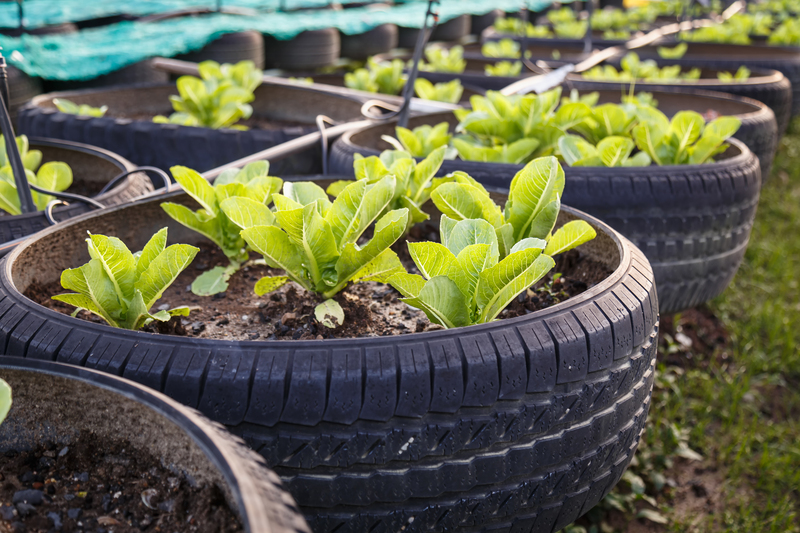
3. Repurpose Old Tires into Garden Ottomans
- Wash and dry unused tires.
- Wrap tires in upcycled rope or jute, securing with glue.
- Add a wooden or fabric-covered cushion on top.
- Use as outdoor seats or unique coffee tables.
This method keeps bulky rubber out of landfills and creates a stylish, durable piece for your home or garden.
4. Create Art from Scrap Metal and E-Waste
- Collect old computer parts, wires, and gears.
- Arrange them into abstract wall art or sculptures.
- Secure pieces together with glue or welding tools (take safety precautions!).
- Finish with a coat of protective, eco-safe lacquer if desired.
*This creative upcycling idea* blends modern industrial vibes with sustainable artistry.
5. Upcycle Clothing into Wall Hangings
- Gather worn-out shirts, jeans, or fabric scraps.
- Cut into strips, squares, or interesting shapes.
- Stitch or glue pieces onto canvas or old picture frames.
- Create quilted wall art, tapestries, or patchwork displays.
*Textile upcycling* reduces textile waste and results in vibrant, meaningful decor.
Eco-Friendly Upcycling Ideas for Functional Furniture
1. Bookshelf from Wooden Crates
- Source leftover fruit or wine crates.
- Sand and paint using environmentally friendly products.
- Stack or mount the crates in creative arrangements.
- Secure with screws or brackets.
- Add books, plants, or collectibles.
*The result?* A modular, expandable bookshelf with charm and sustainability at its core.
2. Suitcase Side Tables
- Collect vintage hard-shell suitcases.
- Add wooden or metal legs securely to the bottom.
- Add a glass or wooden top for stability if needed.
- Use inside to store magazines, linens, or hidden treasures!
These tables add character and a sense of nostalgia to your home by upcycling family heirlooms or flea-market finds.
3. Ladder Shelves
- Locate an old wooden ladder.
- Sand and refinish with non-toxic paint or varnish.
- Lean against a wall and add boards across rungs for shelves.
- Display books, plants, or kitchenware.
*This upcycling project* is ideal for small spaces and brings *eco-chic* style to any room.
4. Drawer Planters
- Salvage drawers from broken dressers or desks.
- Paint with eco-friendly exterior paint.
- Add drainage holes and line with landscaping fabric.
- Fill with soil and plant your favorite flowers or herbs.
Repurposing drawers as planters breathes life into old furniture, supporting green spaces even in urban environments.
Tips for Eco-Conscious Upcycling
- Prioritize Safety: Use masks and gloves, especially when handling items with chipped paint or sharp edges.
- Choose Non-Toxic Materials: Opt for water-based adhesives, low-VOC paints, and natural finishes.
- Embrace Flaws: Leave natural distress marks--these imperfections enhance the unique charm of upcycled pieces.
- Mix and Match Styles: Combine modern elements with vintage finds for truly eclectic results.
- Stay Organized: Label your supplies and plan your project in steps before starting.
*Being eco-friendly means making not only beautiful* but also safe and healthy items for your home and the planet.
Benefits of Eco-Friendly Upcycling in the Modern World
- Waste Reduction: The more you upcycle, the less goes to landfills.
- Resource Preservation: Reduces demand for new materials, saving water, trees, and energy.
- Community Building: Upcycling can connect you to local makers, swap groups, and craftspeople.
- Creative Expression: Unleash your artistic side while maintaining a positive environmental impact.
How to Share and Inspire Others with Your Upcycled Creations
Inspiring your community and sharing knowledge multiplies the eco-friendly benefits of upcycling. Here are some ways to spread the word:
- Host workshops or join DIY art and furniture markets in your area.
- Post your projects on social media using tags such as #UpcycledFurniture, #EcoArt, and #SustainableLiving.
- Gift your upcycled creations for birthdays, housewarmings, or community raffles.
- Collaborate with local schools or nonprofits to organize upcycling programs.
Each upcycled art or furniture piece tells a story--let yours influence others to adopt a more eco-friendly lifestyle.

Common Questions About Eco-Friendly Upcycling
- Q: Do I need special skills to start upcycling?
- No--anyone can start upcycling, regardless of skill level. Start simple and build confidence with small projects!
- Q: Is upcycling always better than recycling?
- Both have important roles in sustainability. Upcycling preserves more of the original material and reduces environmental impact. For some materials (like certain plastics), recycling may still be vital.
- Q: Can upcycled furniture be functional as well as artistic?
- Absolutely. Many upcycled furniture pieces are not only beautiful but highly practical for everyday use.
- Q: Where can I find sustainable paints and adhesives?
- Look for products labeled as low-VOC, water-based, or plant-based at home improvement stores or eco-friendly retailers.
Conclusion: Embrace Eco-Friendly Upcycling Today
Eco-friendly upcycling is more than just a creative hobby--it's a conscious lifestyle that celebrates sustainability, ingenuity, and personal expression. By learning to convert throwaways into unique art and furniture, you help conserve precious resources and inspire others to follow your sustainable path. Whether you're upcycling as a weekend project or transforming your entire household, every effort counts towards a greener, more artistic world.
So, grab those throwaways and let your upcycling journey begin--your eco-friendly masterpieces await!
Have a unique upcycling idea or project? Share your story in the comments and help inspire more people to try eco-friendly upcycling today!
