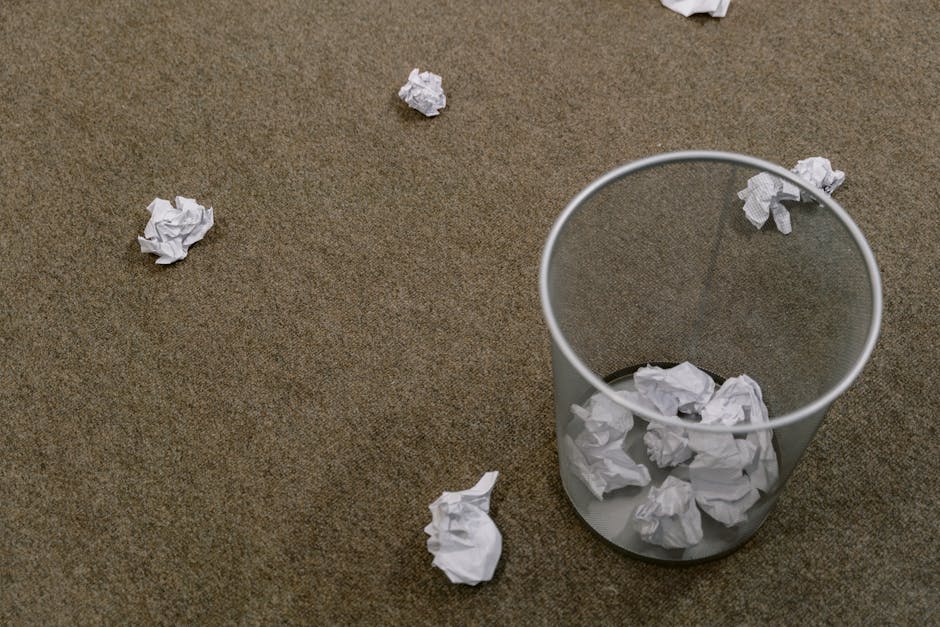
South East London commercial rubbish removal for offices: a practical guide for busy workplaces
If you run an office in South East London, rubbish has a way of building up quietly until it suddenly becomes everyone's problem. Old desks in a meeting room, broken chairs behind reception, bags of mixed waste after an office move, cardboard from a delivery day, a forgotten printer in the corner - it all starts to feel a bit untidy, then awkward, then disruptive. South East London commercial rubbish removal for offices is the straightforward answer when you need that clutter cleared quickly, responsibly, and with as little fuss as possible.
This guide explains how office rubbish removal works, who needs it, what to expect, where the real risks sit, and how to choose the right approach for your workplace. If you are trying to keep operations smooth while clearing unwanted office waste, you are in the right place.
Why South East London commercial rubbish removal for offices Matters
Office waste is not just a housekeeping issue. It affects workflow, safety, professional image, and sometimes even landlord relationships. In South East London, where office space can be tight and access can be a bit fiddly - think narrow stairwells, shared entrances, loading restrictions, and busy streets - rubbish can become a real operational bottleneck. That broken filing cabinet does not just disappear because nobody wants to deal with it. Annoyingly, it stays there.
For many workplaces, the real problem is not volume alone. It is the mix of waste types. Office clear-outs often include furniture, packaging, electronics, paper waste, general rubbish, and sometimes bulky items that need a separate disposal route. If you leave everything to pile up, you get more handling, more risk of damage, and more disruption. And let's face it, nobody wants staff stepping around old chairs while trying to work.
A sensible rubbish removal plan helps with:
- creating usable office space again
- reducing trip hazards and clutter
- keeping reception, corridors, and storage areas presentable
- supporting a move, refit, or downsizing project
- making waste handling feel less chaotic
- avoiding the temptation to dump mixed waste in the wrong place
It is also worth saying that office waste is often more sensitive than household rubbish. You may be dealing with confidential papers, branded materials, old IT equipment, or furniture that still has business value. A proper collection process gives you more control over where each item goes and how it is handled.
Expert summary: Good office rubbish removal is really about restoring order. The best service is not just the one that clears fastest, but the one that clears the right items, in the right way, with the least disruption to your team.
How South East London commercial rubbish removal for offices Works
Most office rubbish removal jobs follow a fairly simple pattern, though the details vary depending on access, item type, and how much needs moving. The process usually starts with identifying what is being removed. That sounds obvious, but in practice it makes all the difference. A few office chairs and some bagged waste are one thing; an entire floor of old desks, shelving, and filing units is another.
In many cases, the arrangement is flexible. Some businesses want a one-off collection after a clear-out. Others need repeat business waste collection as part of a longer routine. If your office generates regular waste, the page on business waste collection is a useful place to understand the broader service approach. If you are dealing with larger one-off loads, the wider rubbish removal service and waste removal options are often more relevant.
Here is what usually happens:
- Describe the rubbish clearly. List furniture, bagged waste, cardboard, fixtures, bulky items, and anything unusual.
- Check access. Note lifts, stairs, parking restrictions, loading points, and building rules.
- Arrange the collection window. Office work has deadlines, so timing matters. Early morning or quieter periods are often easier.
- Separate special items. Paperwork, IT equipment, and furniture may need different handling.
- Remove and clear the site. The team loads items, sweeps up, and leaves the area more workable.
- Dispose responsibly. Reuse, recycling, and waste disposal methods depend on item type and condition.
For offices with leftover furniture, it often makes sense to combine rubbish clearance with a targeted furniture removal plan. The site's furniture disposal page is relevant if you are dealing with desks, chairs, cabinets, or meeting-room pieces. If you are clearing a full workspace, the office clearance service is especially useful because it matches the scale of what many businesses actually need.
One small but important point: office waste is rarely neat. It tends to be half-sorted, half-forgotten, and a little more awkward than everyone expected. That is normal. A decent removal plan should account for that rather than pretend every office is a showroom.
Key Benefits and Practical Advantages
There is a lot to gain from using a professional commercial rubbish removal service for offices in South East London. Some benefits are obvious; others only become clear when you have been through a busy clear-out yourself.
1. Less disruption to work
When rubbish is taken away in one coordinated visit, staff can get on with actual work instead of lifting items, making repeated trips, or trying to "sort it out later." That matters even more if your office is client-facing or has deadlines on the go.
2. Better use of space
Unused rooms become useful again. A storage corner can become a meeting nook. A cluttered breakout room can breathe a bit. Space is expensive in London, so wasting it on redundant furniture is, frankly, a bit painful.
3. Safer premises
Bulky waste creates trip hazards, blocks access routes, and makes cleaning harder. A cleaner workspace is easier to manage and generally safer for staff, visitors, and contractors.
4. Smarter handling of mixed waste
Offices often produce mixed loads. A good service helps reduce the risk of sending everything down one generic route when some items could be reused, recycled, or handled separately. That is especially useful for furniture and bulky office items.
5. Better presentation
Visitors notice clutter. Staff notice it too. A tidy office gives a better impression during meetings, inspections, or move-out checks. It simply feels more in control.
6. Easier planning for changes
If you are refurbishing, downsizing, moving, or reorganising teams, rubbish removal becomes part of the project rather than an annoying side task. That alone can save a lot of last-minute stress.
Who This Is For and When It Makes Sense
This service is relevant to a broad range of workplaces. You do not need to be a giant corporate office to need it, and you definitely do not need to be in crisis mode. In practice, office rubbish removal is useful for:
- small offices with limited storage
- shared workspaces and co-working sites
- professional practices such as accountants, designers, and agencies
- managed office suites and serviced offices
- retail back offices and admin rooms
- charities, community organisations, and small teams
- businesses relocating, refitting, or downsizing
It also makes sense when your waste is not just "rubbish" in the casual sense. Examples include old desks, office chairs, filing cabinets, broken shelving, packaging from new fit-outs, archive clear-outs, and redundant furniture after a rebrand or restructure.
If your premises sit in busy South East London areas such as Southwark, Lambeth, Lewisham, or Greenwich, the local access challenge alone can justify a more organised approach. And if your office is closer to central-border locations like Kennington or Waterloo, speed and timing become even more important because building access and traffic can be awkward at the best of times.
Truth be told, the service is often less about "rubbish" and more about keeping your business moving without a pile of unwanted stuff in the way.
Step-by-Step Guidance
If you want the smoothest possible result, treat office rubbish removal like a small project. That mindset helps a lot.
Step 1: List what needs going
Walk through the office and write down the items by category: furniture, paper waste, general rubbish, packaging, electricals, and anything bulky. Do not rely on memory. By about 3pm, the list gets hazy.
Step 2: Decide what stays, what goes, and what might be reused
Some items are obvious waste. Others may be reusable elsewhere in the business. A chair with a loose wheel is not always end-of-life. The same goes for storage units, monitors, and meeting furniture. A bit of judgement here can reduce waste and cost.
Step 3: Check access and timing
Measure the practical details: lift size, stair width, parking, and any building restrictions. If your office is in a managed block or shared building, ask about access rules before collection day. It saves the awkward shuffle at the door.
Step 4: Choose the right service type
For a one-off clear-out, a broad rubbish clearance or waste clearance approach may fit best. For routine business waste, a regular collection model is more sensible. For office furniture, use a service that specifically handles bulky items and removal from inside the premises.
Step 5: Prepare the space
Stack items neatly where possible, keep walkways clear, and make sure any confidential papers are secured or shredded before removal. If the team has to carry things through a tight corridor, a bit of prep makes a big difference.
Step 6: Confirm disposal expectations
Ask how different material types are handled. Reusable furniture, recyclable materials, and general waste should not all be treated as the same thing. A trustworthy provider will explain the plan clearly.
Step 7: Do a final sweep
After removal, check corners, under desks, and storage areas. It is surprising how often one last box turns up behind a cupboard. One last box always does.
Expert Tips for Better Results
After enough office clear-outs, certain patterns become obvious. The jobs that go well are usually the ones that were planned just enough, not overcomplicated, and not left to the last minute.
- Book before the pressure point. If you know a move, fit-out, or lease end is coming, do not wait until the room is bursting.
- Separate bulky items early. Furniture takes time to move, so it helps to know exactly what is involved.
- Keep confidential waste out of general piles. Paper records, old files, and client paperwork need extra care.
- Use a single decision-maker. Too many people approving small decisions slows everything down.
- Ask about recycling and reuse. Sometimes items can have a second life, especially chairs, desks, and storage units.
- Plan around business hours. If the office is busy with calls, deliveries, or visitors, schedule around it.
Here is a simple but useful rule: the clearer your instructions, the calmer the day feels. It really is that basic. A good team can work quickly, but only if they know what they are walking into.
If your office is part of a wider business site, it can also be useful to think in terms of whole-premises waste. The site's waste collection and waste disposal pages reflect the broader picture well: removal is one part, but handling and disposal matter just as much.
Common Mistakes to Avoid
Office rubbish removal looks easy until the small mistakes start stacking up. Here are the ones that cause the most trouble.
Leaving it all until the final day
This is the classic problem. Staff become busy, the clear-out gets delayed, and suddenly the room has to be emptied against the clock. That is when stress, mistakes, and rushed decisions appear.
Mixing everything together
Paper waste, IT equipment, furniture, and general rubbish all have different handling needs. If you throw them into one vague pile, you lose control of the process. It may also make the collection less efficient.
Forgetting about access
Buildings in South East London can be surprisingly awkward to load from. A few minutes of checking access rules saves a lot of dragging and guesswork later.
Not checking item condition
Some office furniture can be reused or redistributed, but only if it is in suitable condition. A scratched desk is not automatically a write-off. A collapsed chair, on the other hand, probably is.
Ignoring confidential material
Old files and printed paperwork should not be left in with general waste. That is a mistake you only make once, and then you do not make it again.
Choosing purely on speed
Fast is useful, sure. But fast and careless is expensive later. Better to pick a service that is efficient and understands office environments.
Tools, Resources and Recommendations
You do not need a complicated toolkit for office rubbish removal, but a few simple resources make the process smoother.
- Inventory checklist: a plain spreadsheet or list of items to remove
- Room-by-room audit: useful for larger offices with multiple storage areas
- Photo log: helpful when describing bulky items or access issues
- Labelled zones: one area for general waste, one for furniture, one for reuse or recycling
- Collection day contact: one person on-site who knows the plan
For businesses that want a more structured understanding of the service, the pages on rubbish collection and waste collection are useful references within the site. If your office is in a building with regular waste needs, that distinction matters.
In our experience, the best results come from keeping things simple. A clear list, a sensible time slot, and tidy staging points do more for a collection day than any amount of last-minute rearranging.
Law, Compliance, Standards, or Best Practice
Office waste is not something to be casual about. In the UK, businesses have duties around waste handling, and while the exact obligations depend on what you generate and how you operate, the general principle is straightforward: waste should be handled responsibly, kept secure where needed, and passed to an appropriate carrier or disposal route.
That means you should be careful with:
- confidential waste such as papers, files, and client records
- electrical items that need careful handling
- mixed commercial waste that should not be dumped informally
- bulky office furniture that may require more than a standard bin route
Best practice is to keep a record of what was removed, when it left the site, and how different waste types were treated. You do not need to overdo the paperwork, but you do want enough clarity to show the waste was handled properly if anyone asks.
It is also sensible to work with a provider who can talk plainly about waste segregation, reuse, and disposal. If they cannot explain what happens to the items after collection, that is a bit of a warning sign.
For office move-outs, managed buildings, and commercial landlords, this is not just about compliance in the narrow sense. It is about showing that the site is being handed over cleanly and responsibly. That tends to keep everyone calmer, which is no bad thing.
Options, Methods, or Comparison Table
Different office waste situations call for different methods. Here is a practical comparison.
| Method | Best for | Strengths | Limitations |
|---|---|---|---|
| Regular business waste collection | Ongoing office rubbish | Predictable, routine, easy to plan around | Not ideal for bulky clear-outs |
| One-off rubbish removal | Clear-outs, moves, refurbishments | Flexible, useful for mixed loads | Needs clear item lists and access details |
| Office clearance | Full or partial office strip-outs | Best for furniture and larger quantities | May require more preparation |
| Targeted furniture disposal | Desks, chairs, storage, meeting-room items | Good for bulky, reusable office pieces | Less suitable for mixed general waste |
As a rule of thumb, if your office waste is mostly everyday rubbish, use a collection-led service. If the day involves furniture, heavy lifting, and "where did all this come from?" moments, a clearance or removal service is likely the better fit.
Local area pages such as Bermondsey, Camberwell, Deptford, and Peckham can also help if you are checking local coverage and thinking about how service availability fits your part of South East London.
Case Study or Real-World Example
Imagine a small design agency in South East London that has just signed a new lease and needs to leave its current office in good shape. Over time, the team has built up old workstations, some packaging from deliveries, a few broken office chairs, and a pile of awkward items in a back room no one wanted to tackle.
Rather than trying to do it piecemeal, the business sets aside one half-day. They make a simple list: furniture, packaging, general rubbish, and archive boxes. They check lift access, confirm parking nearby, and move confidential files out before the removal day. The clear-out is done in one organised visit, and the office ends up with usable floor space again instead of a maze of leftovers.
What changed the result? Not luck. Just preparation and a service approach that matched the actual shape of the job. That is usually the difference. The office does not need to become empty overnight; it just needs a proper plan.
That sort of project is very common in places like Canada Water, Rotherhithe, Woolwich, or West Dulwich, where offices can sit in mixed-use buildings or routes with tighter access. The job is never just the waste. It is the movement, the timing, and the coordination around it.
Practical Checklist
Use this before you book South East London commercial rubbish removal for offices.
- List every item to be removed
- Separate furniture, general waste, paper, and electrical items
- Remove or secure confidential documents
- Check access, lifts, stairs, and parking
- Choose the right collection type for the job
- Confirm the timing with your team or building manager
- Clear walkways and stage items neatly where possible
- Ask how reusable or recyclable items will be handled
- Leave one responsible person on-site during collection
- Do a final sweep after everything is taken away
A simple checklist sounds unexciting. But, to be fair, unexciting is often exactly what you want on collection day.
Get a free quote today and see how much you can save.
Conclusion
South East London commercial rubbish removal for offices is really about making office life easier, cleaner, and more controlled. Whether you are clearing a single room, moving premises, refreshing old furniture, or managing routine business waste, the right approach reduces stress and keeps your workspace usable.
The best results come from clear planning, sensible timing, and choosing a service that understands office environments rather than treating every job like a generic pile of rubbish. If you want a more efficient office, start with the waste. It sounds small, but it changes the whole feel of the place.
And sometimes that is all a busy workplace needs: a bit more space, a bit less clutter, and the quiet relief of having it sorted properly.
Frequently Asked Questions
What counts as commercial rubbish in an office?
Commercial office rubbish usually includes everyday waste, packaging, broken furniture, unwanted storage units, old paperwork, and bulky items generated by the business. It can also include mixed loads from office moves or refits.
Is office rubbish removal different from normal household rubbish removal?
Yes. Office waste often includes bulkier items, confidential material, and mixed business waste that needs a more organised approach than standard household clearance. Access and timing are usually more important too.
Do I need a full office clearance or just rubbish removal?
If you mainly have general waste and a few loose items, rubbish removal may be enough. If you are clearing desks, chairs, cabinets, and multiple rooms, office clearance is usually the better fit.
Can office furniture be collected with other waste?
Often yes, but it depends on the items and how mixed the load is. Furniture is usually easier to handle when it is identified separately from bagged rubbish or paper waste.
What should I do with confidential office papers before collection?
Confidential paperwork should be secured, shredded, or otherwise handled separately before any general rubbish collection. Do not leave private files mixed in with ordinary office waste.
How do I prepare an office for rubbish removal?
Make a list of items, separate what stays from what goes, clear walkways, check access points, and assign one person to oversee the collection. A little prep makes the job much smoother.
Is commercial rubbish removal suitable for small offices?
Absolutely. Small offices often benefit the most because storage space is limited and clutter can quickly affect day-to-day work. A one-off collection can make a small space feel much more workable.
What if my office is in a building with difficult access?
That is common in South East London. Mention stairs, lifts, narrow hallways, parking restrictions, and loading access when arranging the job so the collection can be planned properly.
Can old office items be reused instead of thrown away?
Sometimes, yes. Office chairs, desks, shelving, and storage units may still be suitable for reuse if they are in decent condition. It depends on the item and its state.
How do I choose the right waste service for my office?
Match the service to the job. Regular waste collection is best for ongoing rubbish, while office clearance or bulky item removal suits larger one-off projects. If in doubt, describe the load clearly before booking.
Why is local South East London knowledge useful for office rubbish removal?
Because access, parking, building layouts, and traffic patterns vary a lot across the area. Local knowledge helps collections run with less delay and fewer awkward surprises.
What is the biggest mistake offices make with rubbish removal?
Leaving everything too late. That leads to rushed sorting, poor access planning, and unnecessary stress. A bit of planning usually saves time and hassle in equal measure.
For more context on office and business waste handling, you may also find the site's about us page useful for understanding the wider service approach, and the terms and conditions and privacy policy pages for general site information.